Psychological Guidelines
Be aware of your thoughts (Cognitive Awareness)
Observe your inner dialogue. Repeated negative thoughts can lead to anxiety or depression. Train yourself to replace negative thinking with rational or positive thinking..
Organize your daily routine (Daily Structure)
The brain loves predictability and stability. Setting a regular schedule for sleep, eating, work, and rest helps reduce stress and enhances the sense of control..
Use writing as .
Dedicate 10 minutes daily to writing about your feelings or daily events, as scientific studies have shown that expressive writing reduces anxiety and improves emotional regulation.
Apply the “HALT” rule
Before making a decision or reacting, ask yourself: Am I Hungry? Angry? Lonely? Tired? These states affect your thinking and emotional response..
Identify your Circle of Control (Circle of Control)
Focus on what you can change instead of worrying about what is beyond your control. This reduces feelings of helplessness and increases your personal effectiveness (based on learned helplessness theory)..
Articles
Post-stroke depression in patients with cerebral strokes
Introduction: Psychological depression is considered one of the most common mental disorders among patients with cerebral strokes, significantly affecting their quality of life and recovery capacity. According to the Diagnostic and Statistical Manual of Mental Disorders (DSM-5), depression is classified as a mental disorder characterized by deep sadness, loss of interest in daily activities, and disturbances in sleep and appetite, which may exacerbate the patient’s overall health condition. The Relationship Between Stroke and Depression: Studies indicate that post-stroke depression (PSD) occurs due to biological changes in the brain, in addition to psychological and social factors. Research has shown a correlation between the stroke location and the severity of depression, with strokes affecting the frontal lobe or basal ganglia having a greater impact on the patient’s psychological state. A study conducted at the College of Arts and Sciences, Amman Al-Ahliyya University, Jordan, aimed to investigate the relationship between depression levels, psychological stress, and lifestyle in stroke patients, considering variables such as gender, age, education level, and time since stroke onset. The study sample consisted of 127 individuals (86 males and 41 females) diagnosed with cerebral stroke, admitted to King Medical Rehabilitation Center in Palestine. To achieve the study objectives, the Health Promoting Lifestyles Profile, Perceived Stress Scale, and Beck Depression Inventory-II were used after verifying translation validity and reliability. Results showed significant inverse correlations between lifestyle dimensions and depression, and between lifestyle dimensions and psychological stress, while a direct correlation was found between psychological stress and depression levels in stroke patients. No significant differences were observed based on gender, but significant differences were found according to age, education level, and time since stroke on lifestyle, depression, and stress measures. The study recommends incorporating psychological assessment as part of routine clinical evaluation for stroke patients to improve quality of life and reduce negative outcomes. Symptoms and Diagnosis According to DSM-5: DSM-5 defines a set of diagnostic criteria for depression, including: Depressed mood most of the day, nearly every day Loss of interest or pleasure in almost all activities Significant changes in weight or appetite Sleep disturbances (insomnia or hypersomnia) Fatigue or loss of energy Feelings of worthlessness or excessive guilt Impaired thinking or concentration Recurrent suicidal thoughts or attempts Factors Influencing Depression in Stroke Patients: Risk factors for post-stroke depression include: Stroke severity and impact on cognitive functions Social support and level of medical care provided Personal history of mental disorders Brain chemical changes resulting from the stroke Treatment and Psychological Interventions: Management of depression in stroke patients involves a multi-faceted approach: Pharmacological treatment: Antidepressants, such as selective serotonin reuptake inhibitors (SSRIs), are effective in improving mood and reducing symptoms. Psychotherapy: Cognitive Behavioral Therapy (CBT) helps patients develop strategies to manage negative emotions and improve quality of life. Neurorehabilitation: Programs aimed at improving cognitive and motor functions contribute to reducing depression. Social support: Engagement with family and friends enhances the patient’s sense of security and emotional support. Recommendations and Suggestions: Medical and Therapeutic Interventions: Early psychological assessment: Regular psychological evaluations should be conducted for stroke patients to detect early signs of depression and provide appropriate support. Appropriate pharmacotherapy: Use antidepressants according to the patient’s medical condition, considering potential drug interactions. Cognitive Behavioral Therapy (CBT): Promote reliance on behavioral therapy to help patients modify negative thinking patterns and improve emotional responses. Lifestyle Recommendations: Encourage physical activity: Regular exercise, such as walking and rehabilitation exercises, positively affects psychological and physical health. Healthy nutrition: A balanced diet rich in antioxidants and omega-3 fatty acids supports brain health. Improve sleep quality: Provide a comfortable sleep environment and strategies to regulate sleep, such as avoiding stimulants before bedtime. Social Support and Psychological Assistance: Enhance social support: Family and friends’ involvement in the patient’s recovery journey is vital, and social activities help prevent isolation. Community reintegration: Rehabilitation programs assist patients in returning to professional and social life after physical recovery. Awareness and education: Conduct awareness campaigns on post-stroke depression to better understand and support patients psychologically and socially. Research and Development Recommendations: Promote scientific research: Support studies aimed at understanding the stroke-depression relationship more deeply to improve treatment methods. Utilize modern technologies: Develop digital solutions, such as smart apps and virtual follow-ups, to monitor patients’ psychological status continuously. Integrate psychotherapy into neurorehabilitation plans: Rehabilitation after stroke should include psychological therapy alongside physical treatment. Following these recommendations can improve stroke patients’ quality of life and reduce the impact of post-stroke depression, enhancing their chances of recovery and returning to normal life. Conclusion: Psychological depression in stroke patients is a significant challenge that requires comprehensive medical and psychological intervention. Evaluating the patient’s mental health as part of overall care is essential to improve quality of life and reduce negative complications. References: Othmanah, R. O. (2020) – “Depression levels and psychological stress among stroke patients,” Master’s Thesis, College of Arts and Sciences, Amman Al-Ahliyya University, Jordan. American Psychiatric Association (2013) – Diagnostic and Statistical Manual of Mental Disorders (DSM-5), American Psychiatric Association, Washington, USA. Beck, A. T., Steer, R. A., & Brown, G. K. (1996) – Manual for the Beck Depression Inventory-II (BDI-II), Psychological Corporation, San Antonio, TX. Hackett, M. L., Köhler, S. (2017) – “Depression after stroke: An important but often forgotten issue,” The Lancet Psychiatry, 4(3), 250–260. Towfighi, A., Ovbiagele, B. (2017) – “Stroke prevention in women and depression: A growing concern,” Neurology, 89(7), 742–750.
Read MoreWhen the mind is restrained, the body speaks.
Introduction: The relationship between psychological state and the body forms a central focus in understanding many complex health conditions that cannot be explained solely by organic causes. One prominent example is Psychosomatic Disorders. This term refers to the interplay between the “psyche” (mind) and “soma” (body), reflecting the profound influence of psychological factors on the emergence of real and distressing physical symptoms. Some individuals may suffer for years from chronic physical pain without any detectable abnormalities in medical tests or imaging. Yet, their suffering persists and may even worsen. Psychosomatic disorders thus emerge as an important explanation, linking bodily symptoms to psychological processes and offering a deeper, alternative perspective. 2. What Are Psychosomatic Disorders? Psychosomatic Disorders are conditions in which real physical symptoms appear but cannot be explained by any clear organic disease after standard medical examinations. These symptoms arise due to psychological disturbances such as stress, anxiety, depression, or emotional trauma, resulting in bodily manifestations without apparent structural pathology. Even though medical tests may appear “normal,” the symptoms are entirely real and can be painful and disruptive to daily life. This type of disorder does not mean the patient is “imagining” the symptoms; rather, it reflects a complex illness linking psychological distress to physical manifestation, requiring a comprehensive understanding and integrated treatment. 3. Psychological and Biological Mechanisms 3.1 Autonomic Nervous System (ANS) Chronic stress and anxiety play a major role in activating the ANS, leading to disruptions in heart rate, breathing, and gastrointestinal functions. This imbalance is associated with physical symptoms such as irritable bowel syndrome (IBS), headaches, and asthma attacks. A study published in Psychosomatic Medicine showed that IBS patients exhibited significant ANS imbalance, manifested as increased heart rate and reduced baroreceptor sensitivity (α‑index), highlighting the link between psychological stress and physical bowel pain. 3.2 Hypothalamic-Pituitary-Adrenal (HPA) Axis Psychological stress activates this axis, increasing cortisol secretion, which contributes to sleep disturbances, immune suppression, and heightened pain perception. Other hormones such as adrenaline, serotonin, and dopamine are also affected, further exacerbating psychosomatic symptoms and associated mood disorders. 4. Symptoms A. Physical Symptoms Chronic unexplained pain: headaches (tension or migraine), joint or muscle pain, back and neck pain. Gastrointestinal disturbances: IBS, nausea, bloating, chronic diarrhea, or constipation. Cardiac-like symptoms: palpitations, shortness of breath, chest pain, despite normal cardiac exams. Sleep problems: difficulty falling asleep, chronic insomnia, or fragmented sleep. General fatigue: persistent low energy even after rest. Menstrual or pelvic issues in women without clear organic cause. Skin manifestations: itching, stress-related rashes, eczema, or psoriasis worsened by psychological pressure. B. Psychological Symptoms Persistent internal tension or anxiety. Panic attacks or feelings of danger without justification. Mood swings or feelings of sadness and emptiness. Occasional feelings of disconnection from the body (derealization or depersonalization). 5. Diagnosis and Treatment 5.1 Diagnosis Diagnosis is generally based on clinical evaluation and includes: Complete physical examination Medical tests (blood, urine, imaging) to rule out organic causes Psychological assessment tools such as GAD-7 (anxiety) and PHQ-9 (depression) Comprehensive evaluation by a mental health specialist 5.2 Integrative Treatment Managing stress- and anxiety-related physical symptoms requires an integrative approach combining psychological, medical, and lifestyle interventions, including: Cognitive Behavioral Therapy (CBT): to modify anxious thought patterns and reduce bodily hypersensitivity Pharmacological therapy: such as SSRIs for chronic anxiety or comorbid depression Relaxation techniques: deep breathing, meditation, yoga Nutrition and sleep optimization: directly impacting autonomic regulation Social support and psychoeducation: reduces isolation and enhances understanding of the mind-body connection The goal of integrative treatment is not only symptom relief but also improving quality of life and restoring balance between mind and body. Recommendations: Clinicians should adopt a holistic perspective when dealing with patients, considering psychological factors alongside physical symptoms rather than attributing all symptoms to organic causes. Increase public awareness about mental health as an integral part of physical health, and encourage seeking psychological support when needed, particularly when unexplained physical symptoms persist. Conclusion: Psychosomatic disorders remind us of the importance of understanding humans as integrated beings, mind and body together. With growing evidence of this connection, adopting an integrative approach in diagnosis and treatment is essential to enhance patient care and health outcomes. References: American Psychiatric Association. Diagnostic and Statistical Manual of Mental Disorders (DSM-5). Washington, DC: APA Publishing; 2013. Semple D, Smyth R. Oxford Handbook of Psychiatry. 4th edition. Oxford University Press; 2019. BMJ Best Practice. Somatic Symptom Disorder. Available at: https://bestpractice.bmj.com UpToDate. Somatic Symptom Disorder and Related Conditions. Available at: https://www.uptodate.com Mayo Clinic. Somatic Symptom Disorder. Available at: https://www.mayoclinic.org Mazurak N, Enck P, Muth ER, Teufel M, Zipfel S. Heart rate variability as a measure of cardiac autonomic function in patients with irritable bowel syndrome: A review. Neurogastroenterology & Motility. 2012;24(3).
Read MoreMental Health in the Workplace: Making Employee Wellbeing a Priority
Introduction : In Sudan, most employees face tension and emotional pressure due to unstable working conditions, economic inflation, and anxiety about the future. Despite how widespread this pressure is, mental health in the workplace did not pay enough attention. It is rarely discussed, and most organizations offer no support systems or safe spaces for workers to talk about their wellbeing. Although the stigma of mental illness has been extensively researched among the general population, little is known about its prevalence and consequences at the workplace. Some studies suggest that the stigma of mental illness may also be an important contributing factor to the underutilization of healthcare services at work (Hanisch et al., 2016). Working conditions have a well-known impact, either positive or negative, on employees' health. Adverse working conditions may lead to job burnout, a syndrome resulting from chronic stress at work that is characterized by overwhelming exhaustion, negative attitudes or a lack of commitment with clients and dissatisfaction with job performance. This process may lead to undesirable consequences for workers, their families, the work environment and the organizations (Salvagioni et al., 2017). Depression and anxiety continue to create significant economic, social and personal costs to employees, employers and society, the majority of treatment trials for depression and anxiety disorders are focused on symptom reduction, with relatively few reporting separate occupational outcomes, in spite of the evidence that occupational recovery may follow a separate course to any symptomatic improvement (Joyce et al., 2016). This article looks at how mental health is often ignored at work, what challenges Sudanese workers face, and why burnout is becoming more common. It also discusses the reasons mental health is not talked about much in organizations, and suggests simple, realistic steps that can make workplaces healthier and more supportive. Why Mental Health Matters in Workplaces : Mental health is essential to how people function at work. When employees feel mentally well, they are more engaged, focused, and productive. But when stress builds up and there is no support, it can lead to emotional exhaustion, absenteeism, or even quiet withdrawal from work. In Sudan, where many workers already deal with financial hardship, political instability, and social pressure, protecting mental health at work becomes even more important. Working environments affect the physical, mental, and social well-being of individuals who spend large proportion of waking hours at work (Rossi et al., 2022). Ignoring mental health in the workplace is not just a personal issue—it affects teams, productivity, and long-term success. In Sudanese workplaces, where mental health is rarely discussed, many employees may not even recognize the symptoms they’re experiencing or feel safe enough to speak up. Starting these conversations and building small systems of care can make a real difference. Common Stressors in Workplaces : Many workers deal with daily stress at work, but they may not always understand where it comes from. The sources of occupational stress include extended and irregular work hours, shift work, chronic psychosocial strain affecting sleep patterns, and acute stressful events such as workplace violence. Experiencing repeated exposure to stressors may put workers at high risk for suicide, depression, obesity, hypertension, morbidity, and early death (Hamidi Shishavan et al., 2023). The robust consistent evidence that (combinations of) high demands and low decision latitude and (combinations of) high efforts and low rewards are prospective risk factors for common mental disorders and suggest that the psychosocial work environment is important for mental health (Stansfeld and Candy, 2006). These stressors are common in many Sudanese workplaces, especially in sectors like healthcare and education. Many employees feel overworked, underpaid, and afraid to speak up. These conditions are known to increase anxiety, depression, and emotional fatigue. Burnout as a Hidden Crisis : Burnout is a serious mental health issue that affects many workers in Sudan, especially in healthcare. It happens when someone feels emotionally and physically exhausted because of long-term stress at work. Stress is a state of mental strain resulting from demanding circumstances. Burnout consists of 3 components: emotional exhaustion, reduced sense of personal accomplishment, and depersonalization (Zhou et al., 2020). The symptoms of occupational burnout develop as a consequence of workloads that increase until a person’s psychophysical resources are depleted, which decreases his or her motivation to engage with work. The negative impact of job requirements is moderated by mental, physical, social, and organizational resources (Makara-Studzińska et al., 2022). There is much evidence supporting several potential mechanisms linking burnout with ill health, including the metabolic syndrome, dysregulation of the hypothalamic-pituitary-adrenal axis along with sympathetic nervous system activation, sleep disturbances, systemic inflammation, impaired immunity functions, blood coagulation and fibrinolysis, and poor health behaviors. The association of burnout and vital exhaustion with these disease mediators suggests that their impact on health may be more extensive than currently indicated (Melamed et al., 2006). Despite how serious it is, burnout often goes unnoticed in many workplaces. This is partly because employees may feel ashamed to speak up or fear being judged. Organizations that ignore burnout risk losing not only worker wellbeing, but also performance and morale. Barriers to Seeking Mental Health Support at Work : Many workers around the world struggle with mental health problems but never ask for help. One major reason is stigma. In many workplaces, employees fear being seen as weak or unreliable if they talk about mental health. Stigma towards, and discrimination against, people with mental disorders is an important barrier to mental health service utilization. It contributes to delays in seeking care, impedes timely diagnosis and treatment for mental disorders, serves as an impediment to recovery and rehabilitation, and ultimately reduces the opportunity for fuller participation in life (Shidhaye and Kermode, 2013). Another barrier is lack of access especially in low- and middle-income countries. A study by Patel et al. (2013) found that adequate access to mental health specialists is a challenge, especially in lowand middle-income countries (LMICs). For example, the number of psychiatrists serving the entire continent of Africa with a population of almost a billion is less than that practicing in the US state. Additionally, many people simply don’t recognize they need help. Burnout and chronic stress can be misinterpreted as just “part of the job.” Without awareness and open dialogue, workers may push through until their mental health worsens. Encouraging Mental Health at Work: Useful Techniques and the Function of Mental Health Specialists : Enhancing mental health in the workplace necessitates more than awareness; it also calls for consistent, realistic action. There are various actions that organizations can take to establish more wholesome workplaces that promote the wellbeing of their employees. A tried-and-true tactic is putting mental health programs into action. Peer support groups, stress management classes, or private access to mental health specialists are a few examples. Research shows there is good quality evidence that universally delivered workplace mental health interventions can reduce the level of depression symptoms among workers. There is more evidence for the effectiveness of CBT-based programs than other interventions (Tan et al., 2014). Another key factor is leadership support, the satisfaction with the supervisor influences overall job satisfaction. This underscores the importance of the role of supervisors during organizational change and turbulent situations at the workplace (Elshout et al., 2013). Many Sudanese organizations lack the resources and know-how necessary to address the mental health of their employees. Non-Governmental Organizations and mental health professionals are essential in this situation. The Sudanese-based Dar Psychotherapy and Counseling organization, for instance, are in a unique position to use culturally sensitive methods to address workplace issues in the area. The health center provides: psychological support both online and on-site, including private counseling sessions, Personalized training sessions on emotional fortitude, stress management in the workplace, and constructive communication, campaigns to raise awareness in the community that are focused on lowering stigma and promoting behavior that involves seeking help. By combining internal leadership support with the external expertise of mental health NGOs like Dar Psychotherapy and Counseling organization, organizations can take meaningful, realistic steps toward improving workplace wellbeing. These collaborations not only reduce stigma and emotional strain, but also help build healthier, more resilient work cultures—both online and on the ground. Conclusion : In light of everything discussed, it becomes crucial to recognize the wide range of factors that influence mental health in the workplace. In the workplace, there are multiple factors recognized to be determinants of workers’ mental health. These include high job demand, low job control, low workplace social support, effort-reward imbalance, low organizational procedural justice, low organizational relational justice, organizational change, job insecurity, temporary employment status, atypical working hours, bullying, and role stress. In addition, non-work determinants such as family status and social support networks are also important predictors of workers’ mental health (Gray et al., 2019). Systemic efforts are needed to address these complex issues. Evidence shows that workplace mental health interventions can utilize to aid in the prevention of common mental illness as well as facilitating the recovery of employees diagnosed with depression and/or anxiety (Joyce et al., 2016). Supportive leadership is an important determinant of employees’ work-related health outcomes involving work well-being, work performance, and occupational satisfaction (Liu et al., 2019). Working with organizations like Dar Psychotherapy and Counseling organization which provides accessible and culturally aware mental health support, can make a real difference, especially in low-resource settings like Sudan. Mental health isn’t a luxury, it’s essential. When workplaces treat it as a priority, just like physical health, they become better places for everyone. References : Elshout, R., Scherp, E., & van der Feltz-Cornelis, C. M. (2013). Understanding the link between leadership style, employee satisfaction, and absenteeism: a mixed methods design study in a mental health care institution. Neuropsychiatric disease and treatment, 9, 823–837. https://doi.org/10.2147/NDT.S43755 Gray, P., Senabe, S., Naicker, N., Kgalamono, S., Yassi, A., & Spiegel, J. M. (2019). Workplace-Based Organizational Interventions Promoting Mental Health and Happiness among Healthcare Workers: A Realist Review. International journal of environmental research and public health, 16(22), 4396. https://doi.org/10.3390/ijerph16224396 Hamidi Shishavan, H., Garza, J., Henning, R., Cherniack, M., Hirabayashi, L., Scott, E., & Kim, I. (2023). Continuous physiological signal measurement over 24-hour periods to assess the impact of work-related stress and workplace violence. Applied ergonomics, 108, 103937. https://doi.org/10.1016/j.apergo.2022.103937 Hanisch, S. E., Twomey, C. D., Szeto, A. C., Birner, U. W., Nowak, D., & Sabariego, C. (2016). The effectiveness of interventions targeting the stigma of mental illness at the workplace: a systematic review. BMC psychiatry, 16, 1. https://doi.org/10.1186/s12888-015-0706-4 Joyce, S., Modini, M., Christensen, H., Mykletun, A., Bryant, R., Mitchell, P. B., & Harvey, S. B. (2016). Workplace interventions for common mental disorders: a systematic meta-review. Psychological medicine, 46(4), 683–697. https://doi.org/10.1017/S0033291715002408 Liu, C., Liu, S., Yang, S., & Wu, H. (2019). Association between transformational leadership and occupational burnout and the mediating effects of psychological empowerment in this relationship among CDC employees: a cross-sectional study. Psychology research and behavior management, 12, 437–446. https://doi.org/10.2147/PRBM.S206636 Makara-Studzińska, M., Kruczek, A., Borzyszkowska, A., Załuski, M., Adamczyk, K., & Basińska, M. A. (2022). Profiles of Occupational Burnout in the Group of Representatives of High-Risk Professions in Poland. International journal of environmental research and public health, 19(10), 6297. https://doi.org/10.3390/ijerph19106297 Melamed, S., Shirom, A., Toker, S., Berliner, S., & Shapira, I. (2006). Burnout and risk of cardiovascular disease: evidence, possible causal paths, and promising research directions. Psychological bulletin, 132(3), 327–353. https://doi.org/10.1037/0033-2909.132.3.327 Patel, V., Belkin, G. S., Chockalingam, A., Cooper, J., Saxena, S., & Unützer, J. (2013). Grand challenges: integrating mental health services into priority health care platforms. PLoS medicine, 10(5), e1001448. https://doi.org/10.1371/journal.pmed.1001448 Rossi, P., Miele, F., & Piras, E. M. (2022). The co-production of a workplace health promotion program: expected benefits, contested boundaries. Social theory & health: STH, 1–20. Advance online publication. https://doi.org/10.1057/s41285-022-00186-4 Salvagioni, D. A. J., Melanda, F. N., Mesas, A. E., González, A. D., Gabani, F. L., & Andrade, S. M. (2017). Physical, psychological and occupational consequences of job burnout: A systematic review of prospective studies. PloS one, 12(10), e0185781. https://doi.org/10.1371/journal.pone.0185781 Shidhaye, R., & Kermode, M. (2013). Stigma and discrimination as a barrier to mental health service utilization in India. International health, 5(1), 6–8. https://doi.org/10.1093/inthealth/ihs011 Stansfeld, S., & Candy, B. (2006). Psychosocial work environment and mental health—a meta-analytic review. Scandinavian Journal of Work, Environment & Health, 32(6), 443–462. https://doi.org/10.5271/sjweh.1050 Tan, L., Wang, M. J., Modini, M., Joyce, S., Mykletun, A., Christensen, H., & Harvey, S. B. (2014). Preventing the development of depression at work: a systematic review and meta-analysis of universal interventions in the workplace. BMC medicine, 12, 74. https://doi.org/10.1186/1741-7015-12-74 Zhou, A. Y., Panagioti, M., Esmail, A., Agius, R., Van Tongeren, M., & Bower, P. (2020). Factors Associated With Burnout and Stress in Trainee Physicians: A Systematic Review and Meta-analysis. JAMA network open, 3(8), e2013761. https://doi.org/10.1001/jamanetworkopen.2020.13761
Read MoreBeyond Survival: The Hidden Psychological Toll of Cerebral Malaria
Introduction: Malaria is a mosquito-borne disease caused by the protozoan parasite Plasmodium, and causes an estimated two million deaths each year world-wide (Breman, 2001), mainly due to severe complications of Plasmodium falciparum infection.In Sudan, malaria remains one of the leading public health challenges, particularly during and after the rainy season. Cerebral malaria is the most severe neurological complication of Plasmodium falciparum malaria and has few specific features, but there are differences in clinical presentation between African children and non-immune adults. Subsequent neurological impairments are also most common and severe in children (Idro et al., 2005). The Sudanese health system primarily focuses on managing the acute phase of the illness—patients often present unconscious, experiencing convulsions or other signs of cerebral involvement. Malaria affects neurocognitive functioning and severe forms of malaria are associated with greater degrees of neurologic and cognitive impairment. Previous studies have documented persistent deficits in attention and working memory in 1 in 4 school-age children 2 years after suffering CM, whereas others have documented persistent deficits in speech and language (Ssenkusu et al., 2016). In Sudan, such post-recovery complications are rarely discussed or systematically documented. This is partly due to the limited availability of mental health services, insufficient awareness among healthcare providers, and the persistent stigma surrounding psychological conditions. Consequently, many patients may recover physically but continue to suffer psychologically—without proper diagnosis, follow-up, or support. Pathophysiology of Cerebral Malaria : Despite decades of research on CM, there is still a paucity of knowledge about what actual causes CM and why certain people are more prone to developing it. Although sequestration of P. falciparum infected red blood cells (iRBCs) has been linked to pathology, it is still unclear if this is directly or solely responsible for the clinical syndrome. The pathogenesis of CM is likely a multi-factorial process, with parasite sequestration, inflammatory cytokine production and vascular leakage, eventually resulting in brain hypoxia, As a result, brain tissues cannot maintain membrane potential, which causes water inflow from extracellular to intracellular compartments, ultimately leading to cell death and tissue damage. (Luzolo and Ngoyi, 2019; Chaudhary et al., 2022). Neuropsychological Impact of Cerebral Malaria : Cerebral malaria may lead to acute or long-term neurological deficits, even with an effective antimalarial therapy, causing reduced cerebral blood flow and other changes. Clinical features of severe malaria include cerebral malaria (CM), with impaired consciousness (including coma), prostration, and multiple convulsions. According to the time of the symptom onset, CM may be classified into two patterns of neuropsychological sequelae. The first one is immediate and characterised by coma and status epilepticus during the acute illness, resulting in focal sequelae such as hemiplegia and focal seizures, or multifocal sequelae with spastic quadriparesis, motor disorders, cognitive and behavioural impairment, blindness, speech or hearing impairment. The second pattern (post-malaria neurological syndrome) develops within months or years after CM, and behavioural deficits and/or epilepsy may occur. Malarial infection can be also associated with a wide range of neuropsychiatric symptoms. Clinically, this picture may present with disorientation, mild stupor or even psychosis. However, it rapidly progresses to seizures and coma with decerebrate posture. Occasionally, frankly psychotic behaviour can be the first manifestation of cerebral involvement during malarial infection. Paranoid psychosis, mania, hallucinations, and delusions were the commonest neuropsychiatric complications in some cases. Neuropsychiatric impairments due to CM in children include: long-term cognitive impairment, acquired language disorder, inattention, impulsiveness and hyperactivity, conduct disorders, impaired social development, Self-injurious and destructive behaviours have also been observe (Moryś et al., 2015). Gaps in Mental Health Services : Despite the increased awareness of the long-term effect of cerebral malaria on mental health, there are many challenges in Sudan and similar countries. After the patient leaves the hospital, rarely, to receive psychological follow-up and evaluation, which makes many psychological problems not notice and treatment. Mental health services are limited, especially in rural areas. Moreover, stigma around mental illness remains a major barrier, the definition of stigma proposed by Goffman posits that stigma is an attribute that devalues a person and sets them aside from others. This definition lays bare the vulnerability of individuals with a disability, especially those with mental health needs. Furthermore, it is well documented in the literature that people with a mental illness (PWMI) face stigma from multiple sources, including schools, hospitals, places of worship and sometimes even from their own families, It is clear that stigma and shame are a major stumbling block to accessing mental health services in conservative communities. Unfortunately, the stigma extends beyond the individual to their family members, exacerbating the shame they feel. In addition, the healthcare workers who are expected to support those with mental health difficulties also sometimes contribute toward the stigma and feelings of shame, leading to further discouraging patients from seeking assistance. (Booth et al., 2024). Globally, mental, neurological and substance use disorders (MNS) are a major cause of disability, accounting for more disability-adjusted life-years (DALYs) than any other type of non-communicable disease. In low- and middle-income countries (LAMICs), MNS are largely unrecognised and untreated, in part due to lack of mental health services, lack of trained personnel and lack of capacity of the primary healthcare (PHC) system to provide the care required (Ali et al., 2012). To fill these gaps, we must expand training programs for workers in health programs, introduce the mental health unit as part of the Malaria treatment protocol and an effort to educate society to reduce the stigma and encourage help-seeking behavior. Integrating Mental Health into Malaria Care : In malaria -afflicted areas, such as Sudan, the introduction of the mental health unit as part of the unit of infectious diseases is still limited despite the full knowledge of psychological effects of some diseases such as cerebral malaria. One of the most effective ways to improve outcomes for survivors of cerebral malaria is to embed mental health care within existing malaria programs. This integration means not only treating the acute infection but also preparing for the emotional and cognitive challenges that may follow. Difficulty remains the scarcity of mental-health professionals to deliver such interventions to underprivileged communities. The challenge is to adapt these interventions so that they can be delivered by ordinary health workers without previous training in mental health. Furthermore, policy makers in low-income countries need to be convinced of the public health importance of treating mental disorders so that they integrate such interventions into existing health systems (Rahman et al.,2008). Children admitted to intensive care units (ICU), such as those with severe malaria, are exposed to stressors, such as invasive procedures, respiratory insufficiency, delirium with possible psychotic experiences, different professionals providing care, and separation from families leading to mental health problems. As a result of a traumatic ICU experience, post-traumatic stress disorder (PTSD) is common in children, followed by depression after admission for a life-threatening illness. Interventions aimed at preventing these psychological reactions after discharge should address the child and caregivers’ experiences of these stressors on the ward (Bangirana et al., 2021). Finally, to find a bridge between infectious disease services and mental health care is not a luxury, it’s a necessity. Without this connection, survivors may find many psychological problems especially in countries like Sudan where both fields are under-resourced and often disconnected. Conclusion: The severe form of malaria, i.e., cerebral malaria caused by Plasmodium falciparum, is a complex neurological syndrome. Surviving persons have a risk of behavioral difficulties, cognitive disorders, and epilepsy. The adhesion and accumulation of infected RBCs, platelets, and leucocytes in the brain microvessels play an essential role in disease progression. Micro-vascular hindrance by coagulation and endothelial dysfunction contributes to neurological damage and the severity of the disease (Chaudhary et al., 2022). CM affects the CNS, and although most survivors have a full recovery, 3-31% of patients still develop neurological deficits and cognitive sequelae. The prevalence of neurological deficits is higher in children than in adults, ranging from 6% to 29% at the time of discharge. Children with CM frequently present long-term neurologic deficits, and episodes of CM imply the development of long-term sequelae in children. In children, the most common sequelae include ataxia, paralysis, paresis, cortical blindness, epilepsy, deafness, behavioral disorders, language disorders, and cognitive impairment (Song et al., 2022). In Sudan, mental health care is not routinely integrated into malaria management, leaving families without guidance or support. Most follow-up care focuses on physical recovery, overlooking the emotional and cognitive needs that can significantly affect quality of life. To change this, we must expand our definition of “recovery” to include mental well-being. This means developing community-based mental health interventions, training frontline workers to identify at-risk children, and building supportive networks for caregivers. References : Ali, S., Saeed, K., & Hughes, P. (2012). Evaluation of a mental health - training project in the Republic of the Sudan using the Mental Health Gap Action Programme curriculum. International psychiatry : bulletin of the Board of International Affairs of the Royal College of Psychiatrists, 9(2), 43–45. Bangirana, P., Birabwa, A., Nyakato, M., Nakitende, A. J., Kroupina, M., -Ssenkusu, J. M., Nakasujja, N., Musisi, S., John, C. C., & Idro, R. (2021). Use of the creating opportunities for parent empowerment programme to decrease mental health problems in Ugandan children surviving severe malaria: a randomized controlled trial. Malaria journal, 20(1), 267. https://doi.org/10.1186/s12936-021-03795-y - Booth, W. A., Abuhmida, M., & Anyanwu, F. (2024). Mental health stigma: a conundrum for healthcare practitioners in conservative communities. Frontiers in public health, 12, 1384521. https://doi.org/10.3389/fpubh.2024.1384521 Breman J. G. (2001). The ears of the hippopotamus: manifestations, - determinants, and estimates of the malaria burden. The American journal of tropical medicine and hygiene, 64(1-2 Suppl), 1–11. https://doi.org/10.4269/ajtmh.2001.64.1 - Chaudhary, A., Kataria, P., Surela, N., & Das, J. (2022). Pathophysiology of Cerebral Malaria: Implications of MSCs as A Regenerative Medicinal Tool. Bioengineering (Basel, Switzerland), 9(6), 263. https://doi.org/10.3390/bioengineering9060263 Idro, R., Jenkins, N. E., & Newton, C. R. (2005). Pathogenesis, clinical - features, and neurological outcome of cerebral malaria. The Lancet. Neurology, 4(12), 827–840. https://doi.org/10.1016/S1474-4422(05)70247-7 - Luzolo, A. L., & Ngoyi, D. M. (2019). Cerebral malaria. Brain research bulletin, 145, 53–58. https://doi.org/10.1016/j.brainresbull.2019.01.010 - Moryś, J. M., Jeżewska, M., & Korzeniewski, K. (2015). Neuropsychiatric manifestations of some tropical diseases. International maritime health, 66(1), 30–35. https://doi.org/10.5603/IMH.2015.0009 - Rahman, A., Malik, A., Sikander, S., Roberts, C., & Creed, F. (2008). Cognitive behaviour therapy-based intervention by community health workers for mothers with depression and their infants in rural Pakistan: a cluster-randomised controlled trial. Lancet (London, England), 372(9642), 902–909. https://doi.org/10.1016/S0140-6736(08)61400-2 - Song, X., Wei, W., Cheng, W., Zhu, H., Wang, W., Dong, H., & Li, J. (2022). Cerebral malaria induced by plasmodium falciparum: clinical features, pathogenesis, diagnosis, and treatment. Frontiers in cellular and infection microbiology, 12, 939532. https://doi.org/10.3389/fcimb.2022.939532 Ssenkusu, J. M., Hodges, J. S., Opoka, R. O., Idro, R., Shapiro, E., John, C. - C., & Bangirana, P. (2016). Long-term Behavioral Problems in Children With Severe Malaria. Pediatrics, 138(5), e20161965. https://doi.org/10.1542/peds.2016-1965
Read MoreBooks


ANTISOCIAL BORDERLINE NARCISSISTIC & HISTRIONIC WORKBOOK
Many clinicians feel confused by or helpless in the face of the severe pathology associated with antisocial, narcissistic, histrionic, and borderline personality disordered clients. These four disorders make up Cluster B of the personality disorders in the Diagnostic and Statistical Manual of Mental Disorders, currently in its fifth edition (American Psychiatric Association [APA], 2013). The reason these four disorders are contained within a cluster is due to overlap in symptoms and presentation. This overlap further confounds treatment for the frontline clinician, as symptoms are expressed from various aspects of the pathology along a spectrum. Most clients are at different points on the spectrum and will not meet criteria for the full disorder. For example, many clients will display borderline personality disorder traits but not to the extent to merit the full diagnosis. This workbook is designed to treat individuals who meet full criteria as well those who display traits and are on the spectrum of any of the Cluster B disorders.
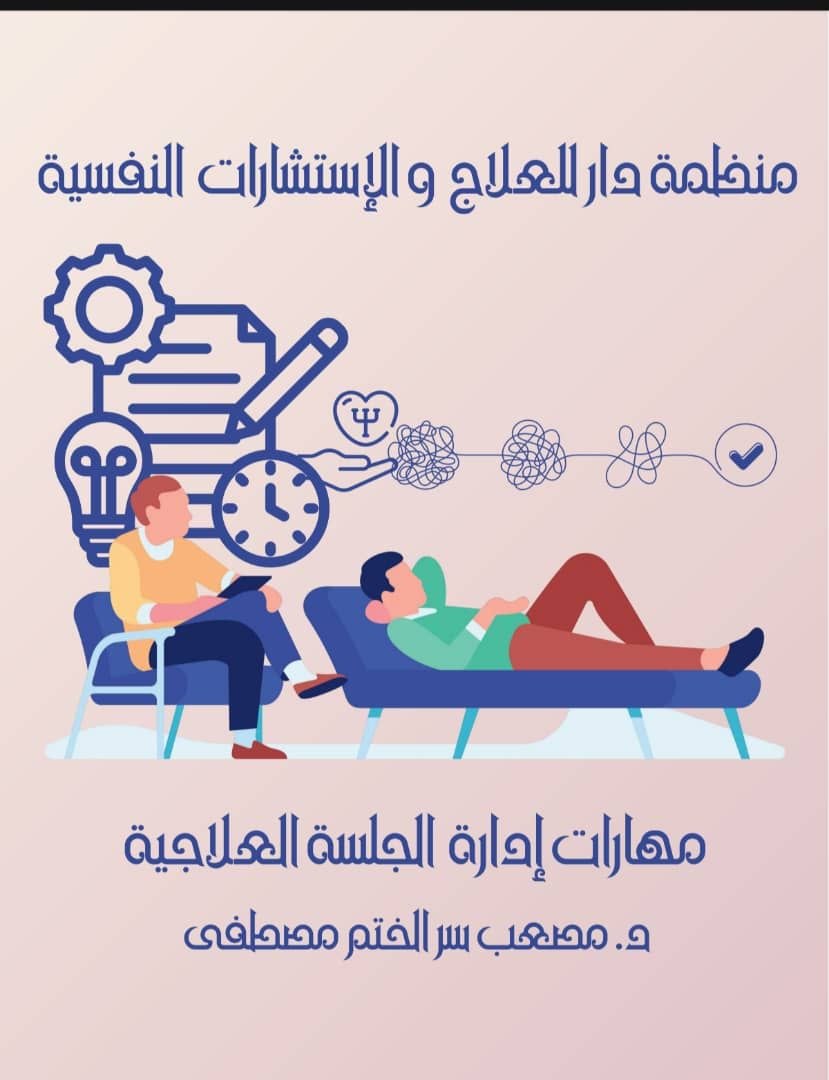
Therapeutic session management skills
It is a practical and professional guide specifically designed for all those working in the field of mental health, including psychologists, therapists, psychology students, and anyone interested in developing their skills in managing therapeutic sessions effectively and ethically. This handbook provides a comprehensive framework for managing psychotherapy sessions, starting with the theoretical understanding of the concept and importance of the session, moving through its different stages, and concluding with the essential professional skills required to ensure a safe, structured, and therapeutically effective session. The guide consists of 7 chapters across 50 pages, combining simplified scientific explanations with practical application, and is based on reliable and up-to-date scientific references, balancing academic knowledge with real clinical practice.
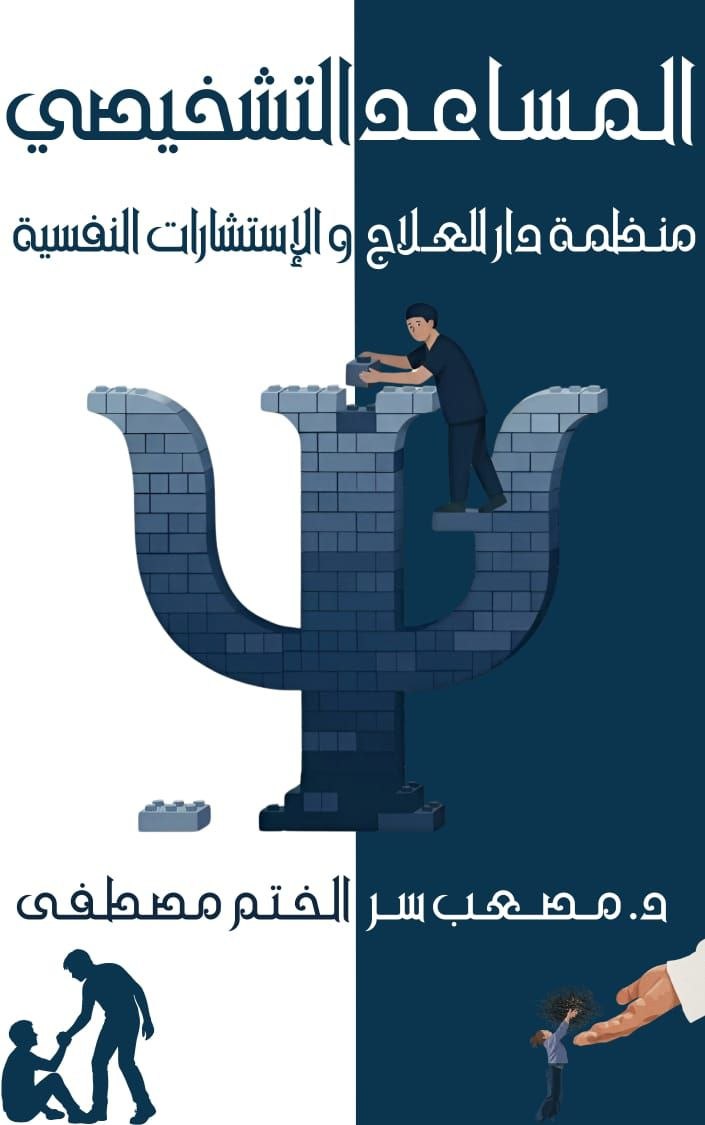
Diagnostic aids
The book “Diagnostic Aid” presents a structured scientific overview of a wide range of mental disorders, aiming to support the reader’s understanding of the diagnostic framework of these disorders according to established models in modern clinical practice. The book is based on the core concepts of psychiatric diagnosis as outlined in global classification systems such as the **Diagnostic and Statistical Manual of Mental Disorders (DSM)**, with a focus on the key clinical features and diagnostic characteristics of each disorder. It covers a diverse spectrum of mental health conditions, including anxiety disorders, adjustment disorders, obsessive-compulsive disorders, psychosomatic disorders, eating disorders, personality disorders, and dissociative disorders. It also addresses various neurodevelopmental disorders, psychotic disorders in their different forms, as well as substance-related disorders and conditions linked to general medical illnesses. This work is not intended to replace specialized diagnostic references. Rather, it serves as a supportive guide that simplifies access to essential diagnostic concepts and presents them in an organized and accessible manner. It aims to help students, clinicians, and mental health enthusiasts develop a clear foundational understanding of mental disorders and their classifications.